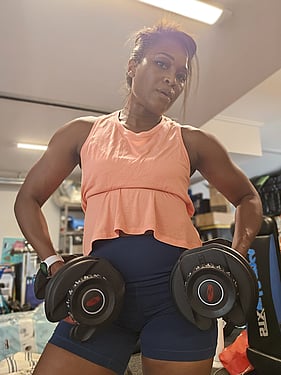
Strength training isn’t just for athletes or gym‑regulars — it’s one of the most powerful health interventions available to women, no matter their age or fitness level. New research from 2025–2026 has made one thing clear: building and maintaining muscle is central to long‑term women’s health, from bone density to hormones, metabolism, and even cognitive function.
This isn’t about lifting heavy for aesthetics. It’s about protecting your future self.
MUSCLE:
The Most Underrated Organ in Women’s Health. Muscle is metabolically active, hormonally responsive, and deeply protective. For women, especially through perimenopause and beyond, it plays several critical roles:
Bone strength — Resistance training stimulates bone formation more effectively than calcium or vitamin D alone.
Metabolic health — Muscle is the primary site of glucose uptake, improving insulin sensitivity and reducing diabetes risk.
Longevity and independence — Maintaining muscle mass reduces falls, fractures, and frailty in later life.
Mental health — Resistance training reliably reduces anxiety and improves mood.
This is why I talk about it so often on social media — it’s one of the most evidence‑based ways women can protect their health.
How Strength Training Supports Women Through Every Life Stage
Teens & 20s: Building the Foundation
These are peak years for bone density and muscle development. Strength training builds a “reserve” that protects women decades later.
Pregnancy & Postpartum: Functional Strength
Safe, guided resistance training supports pelvic stability, reduces back pain, and improves postpartum recovery.
30s & 40s: Hormone Shifts Begin
Muscle mass naturally declines from the mid‑30s. Strength training slows this decline and supports metabolic and hormonal stability.
Perimenopause: The Critical Window
This is when women often notice changes in weight, energy, and mood. Strength training directly counters the metabolic slowdown and bone‑density loss that begin here.
Postmenopause: Protecting Bone, Brain, and Balance
Resistance training reduces fracture risk, improves cognitive resilience, and maintains independence.
Common Myths — And the Truth
“I’ll get bulky.” Significant hypertrophy of the muscles in women is extremely unlikely without specialized training and dietary modifications.
“I’m too old to start.” Research shows women in their 60s, 70s, and even 80s build muscle and improve bone density with resistance training.
“Cardio is enough.” Cardio supports heart health, but it doesn’t protect bone, muscle, or metabolic function the way strength training does.
“I don’t have equipment.” Body‑weight exercises and resistance bands are highly effective.
Strength training is preventive care.
It’s bone care.
It’s brain care.
It’s future‑you care.